
02 Feb How Pain Specialists Identify the Source of Chronic Spine and Joint Pain
Chronic spine and joint pain can affect almost every part of daily life. It can make it harder to walk, sleep, work, or enjoy activities you once loved. One of the most important steps in treating long term pain is identifying exactly where the pain is coming from. Pain specialists focus on finding the root cause of the problem so the right treatment plan can be created.
Many people assume their pain is caused by a simple muscle strain. However, chronic pain is often more complex. The spine, joints, nerves, muscles, and surrounding tissues all work together. When something goes wrong in one area, it can affect the entire system.
Understanding the true source of pain helps guide the best treatment options.
Listening to Your Symptoms
The first step pain specialists take is learning about your symptoms. Patients are often asked questions such as:
- When did the pain start?
- Where exactly do you feel the pain?
- Does the pain travel to other areas?
- What activities make it worse?
- What treatments have you already tried?
These details help doctors begin narrowing down possible causes. For example, pain that travels down the leg may point to nerve irritation in the lower spine. Pain that stays in one joint could suggest inflammation or joint damage.
Even small details can provide important clues.
Physical Examination
A physical exam is another important part of diagnosing chronic pain. During the exam, the doctor checks:
- Range of motion
- Muscle strength
- Joint stability
- Areas of tenderness
- Nerve response and reflexes
These tests help determine whether pain is coming from the spine, joints, nerves, or surrounding tissues.
Sometimes a certain movement will trigger pain in a specific location. This can help identify the exact structure that may be causing the problem.
Imaging and Diagnostic Testing
If more information is needed, imaging tests may be recommended. These can include:
- MRI scans
- CT scans
- X-rays
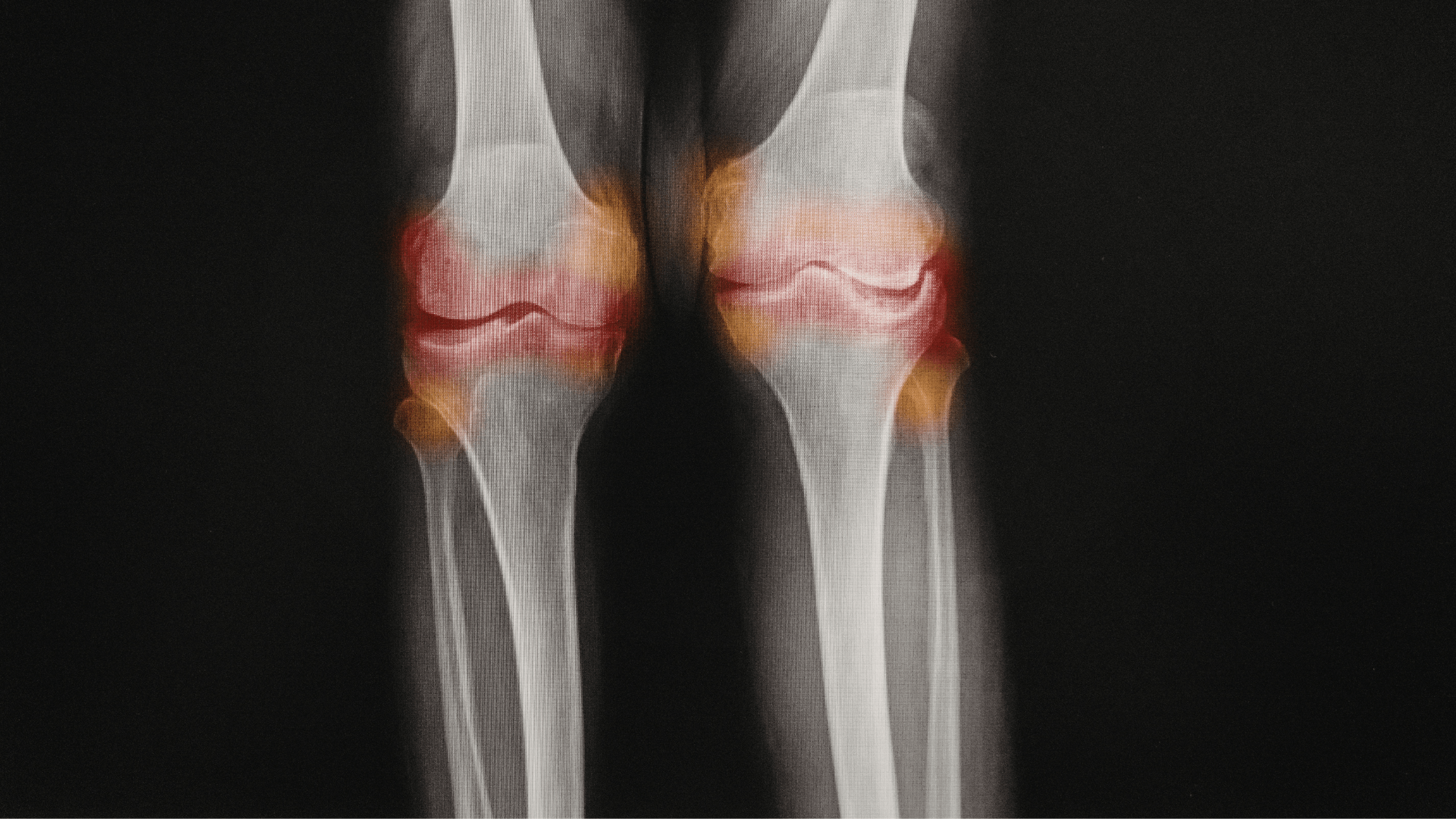
These tools allow doctors to look at the bones, discs, joints, and nerves in greater detail. Imaging can reveal problems such as herniated discs, arthritis, joint inflammation, or narrowing of the spine.
In some cases, diagnostic injections may be used. These injections temporarily numb a specific area. If the pain improves after the injection, it helps confirm that the targeted area is the source of the pain.
Looking at the Whole Picture
Pain specialists do not rely on just one test. Instead, they combine information from symptoms, physical exams, and imaging results. This complete approach helps identify the true cause of chronic spine and joint pain.
Once the source of the pain is identified, a personalized treatment plan can be created. Treatments may include options such as physical therapy, targeted injections, regenerative treatments, or other advanced pain management approaches.
Finding the Right Path to Pain Relief
Chronic pain does not always go away on its own. Identifying the source of the problem is often the key to finding relief. When the root cause is understood, treatment can focus on addressing the underlying issue instead of simply managing symptoms.
If chronic spine or joint pain has been affecting your daily life, the next step is getting answers. A comprehensive evaluation can help identify the source of your pain and determine what treatment options may help you feel better.
Schedule an appointment today to meet with our team and start building a personalized plan for managing your pain.